Christian Sublimation Bundle: Graphics & T-Shirt Designs
When evaluating a new graphic design asset for a client project, my first criterion is always versatility. As a professional designer managing branding and merchandise for faith-based small businesses, I recently tested the Christian Sublimation Bundle to determine if it could withstand the rigors of commercial production. The initial impression is one of clean, purposeful aesthetics. Rather than feeling cluttered or overly ornate, the visual elements possess a balanced weight that suggests modern design sensibilities while retaining traditional warmth. This specific mood is critical for clients in the handmade business or ministry sector who need to convey trust and approachability without sacrificing professionalism.
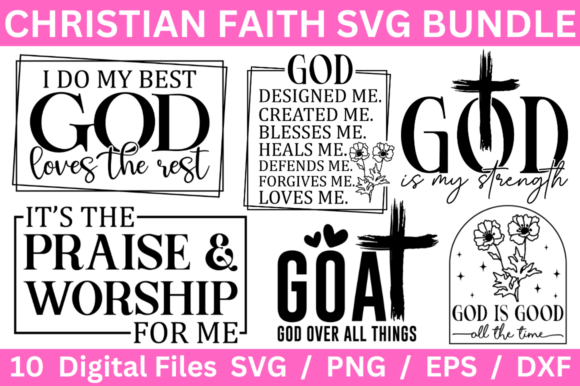
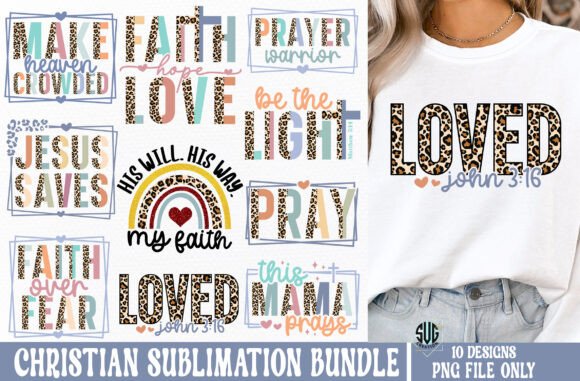
For a recent project involving a boutique Christian apparel line and accompanying social media campaign, this bundle served as a foundational element. The collection includes ten distinct designs, providing enough variety to create a cohesive themed collection without looking repetitive. When opening the zip file, the organization immediately stands out. You receive 10 SVG files, 10 DXF files, 10 EPS files, and 10 PNG files. This comprehensive format coverage is essential for a commercial design workflow. The SVG and EPS formats confirm that these are true vector assets, meaning every vector is resizable without losing integrity. For a designer, knowing that an illustration will remain crisp whether printed on a 4x6 sticker or a large-format banner is non-negotiable.
Evaluating Vector Integrity for Apparel Production
In the realm of t-shirt design, file quality dictates the final product's perceived value. I imported the SVG files into Adobe Illustrator to inspect the node structure. Poorly digitized vectors often have jagged edges or unnecessary anchor points that cause cutting machines to stutter or result in muddy prints. Fortunately, the Christian Sublimation Bundle exhibits clean pathing. The lines are smooth, and the layering is logical, which significantly speeds up the customization process. For Cricut users and those managing print-on-demand listings, the included DXF files are optimized for cutting vinyl or heat transfer material. I tested a design on a dark cotton tee using HTV, and the weeding process was straightforward because the internal cut lines were precise.
The PNG files deserve specific mention for sublimation workflows. High-resolution transparency is vital when placing graphics onto colored polyester blanks or integrating them into Canva templates. These PNGs maintain sharp edges against both light and dark backgrounds, eliminating the dreaded white halo effect that plagues lesser quality digital products. For a client launching an Etsy shop, this level of polish directly translates to better product mockups and higher conversion rates. The ability to resize these assets confidently allows for rapid prototyping across different merchandise types, from tote bags to mugs, ensuring brand consistency across the entire product line.
Strategic Placement in Brand Identity Systems
Beyond merchandise, I assessed how these assets function within a broader brand identity. In editorial design and marketing visuals, religious iconography can sometimes overpower the text or clash with minimalist layouts. However, the artistic style here acts as a supportive accent rather than a dominant force. I successfully integrated one of the illustrations as a watermark on a ministry newsletter and as a decorative header for a church event flyer. The visual hierarchy remained intact, proving that the bundle respects negative space. This makes it particularly valuable for content creators and bloggers who need engaging Pinterest pins or Instagram posts that feel custom-designed rather than generic.
For packaging design, specifically for candle brands or stationery sellers, these graphics add emotional resonance. I applied a design to a belly band wrapper for a set of prayer journals. The vector scalability allowed me to adjust the size perfectly to the package dimensions without pixelation. This application highlights where the asset shines best: medium-to-large layout areas where the detail can be appreciated. It elevates the unboxing experience, turning a simple product into a meaningful gift. For small business branding, this emotional connection is often the differentiator between a sale and a loyal customer.
Navigating Design Constraints and Readability
While the Christian Sublimation Bundle is robust, professional judgment requires acknowledging where to exercise caution. During my review, I noted that intricate details in certain designs could become lost if scaled down below two inches. Designers working on small tags, jewelry cards, or complex web icons should test extensively before finalizing. In crowded layouts, such as a dense informational poster, these illustrations demand significant breathing room. Placing them against busy photographic backgrounds can reduce legibility and visual impact. I recommend using them on solid colors or subtle gradients to maintain the intended clarity and emotional appeal.
Typography pairing is another critical consideration. Because the artwork carries a distinct handcrafted yet polished aesthetic, it pairs exceptionally well with clean sans-serif fonts for a modern look or elegant serifs for a traditional feel. Avoid overly distressed or grunge fonts, as they can compete with the line work and create visual noise. When designing for digital ads or website hero sections, ensure sufficient contrast. I performed a grayscale test on all ten designs to verify that the values hold up without color reliance. This step is crucial for accessibility and ensures the design remains effective in single-color printing scenarios, which helps control costs for nonprofit clients or startups.
Commercial Viability and Licensing Checks
Before deploying any design bundle in a client project, verifying licensing is mandatory. While the technical specs of this bundle are impressive, the commercial license terms dictate its ROI. For print-on-demand sellers and digital sellers, confirming whether you can use these assets for end-products versus digital redistribution is vital. Assuming the license permits commercial use for physical goods, this bundle offers exceptional value. The inclusion of multiple file types reduces the need for additional software or conversion services, streamlining the production pipeline.
I also recommend testing print output before listing items. Colors on screen often differ from sublimation ink profiles. I ran a test print on poly-coated ceramic and found the color saturation accurate, but designers should always calibrate their monitors and printers. For those creating Canva templates for resale, check if embedding the PNGs is permitted or if you must provide links. Understanding these boundaries protects your business and respects the original creator. Ultimately, the Christian Sublimation Bundle performs as a reliable, high-quality tool for professionals. It bridges the gap between niche faith-based aesthetics and mainstream design standards, making it a worthy investment for agencies, crafters, and brand owners seeking to produce meaningful, market-ready work.
In conclusion, integrating this asset into my workflow has streamlined production for faith-centric clients. Whether you are designing a seasonal campaign, updating a church website, or launching a new apparel line, the technical reliability and aesthetic flexibility of this bundle support professional outcomes. By respecting the design constraints and leveraging the vector editability, designers can deliver polished, emotionally resonant results that satisfy both the client’s vision and the end consumer’s expectations. It stands as a testament to how specialized creative design resources can enhance commercial projects when selected and applied with intentionality.